
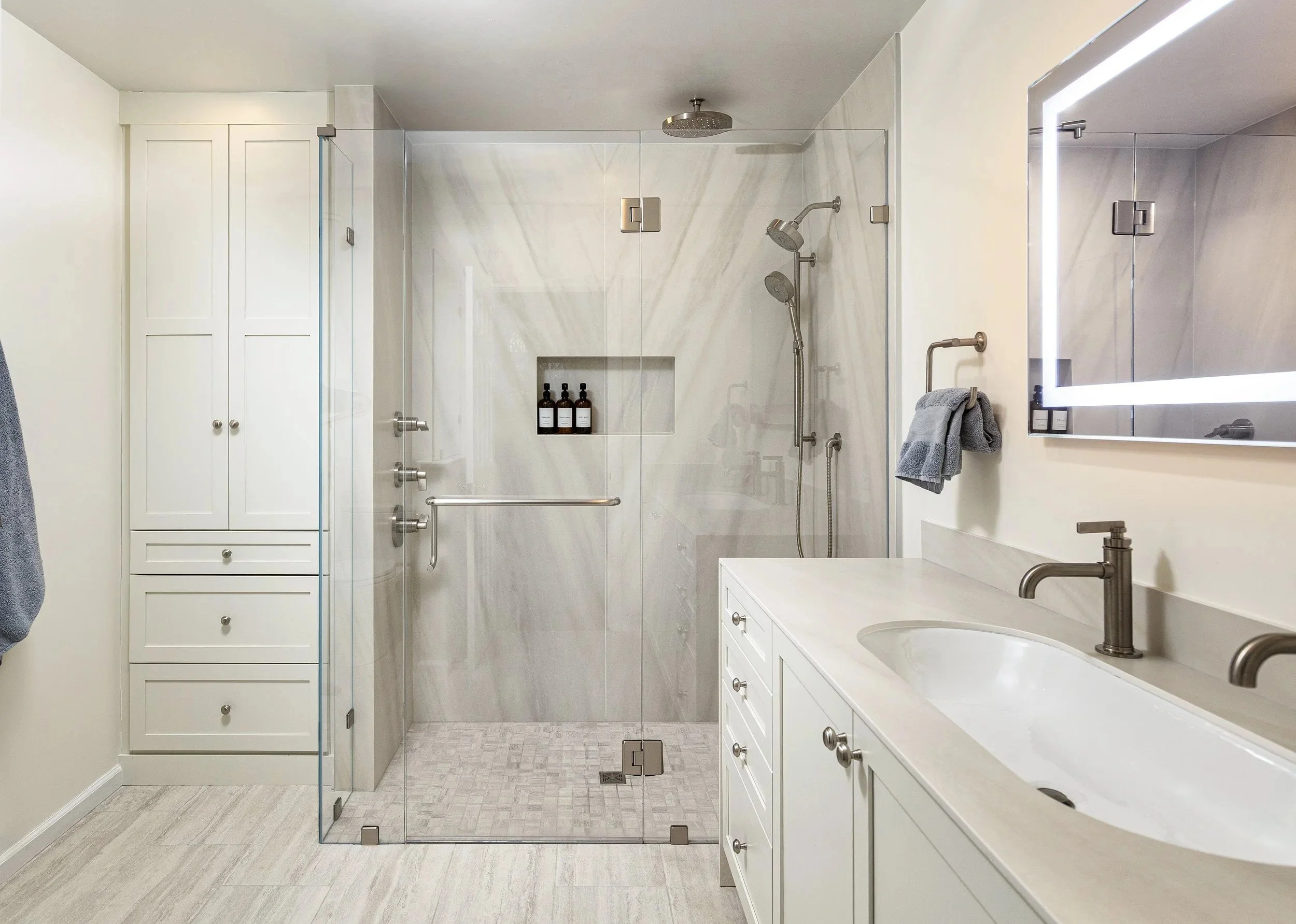
Tub to Shower Conversion Cost Guide
Waltham, Newton, Belmont & Surrounding Areas
If you’re considering replacing your bathtub with a walk-in shower, one of the first questions is:
“What should I realistically expect this to cost?”
The answer depends on several factors - including the size of the space, the materials selected, and the complexity of the project. But that doesn’t mean you should be left guessing.
This guide breaks down realistic tub to shower conversion costs in the Greater Boston area, including homes in Waltham, Newton, Belmont, and surrounding communities - so you can better understand your options and confidently plan your project.
Whether you're considering a bathtub to shower conversion for a more modern look, improved accessibility, or simply to make better use of your space, understanding the factors that influence cost can help you make informed decisions before getting started.
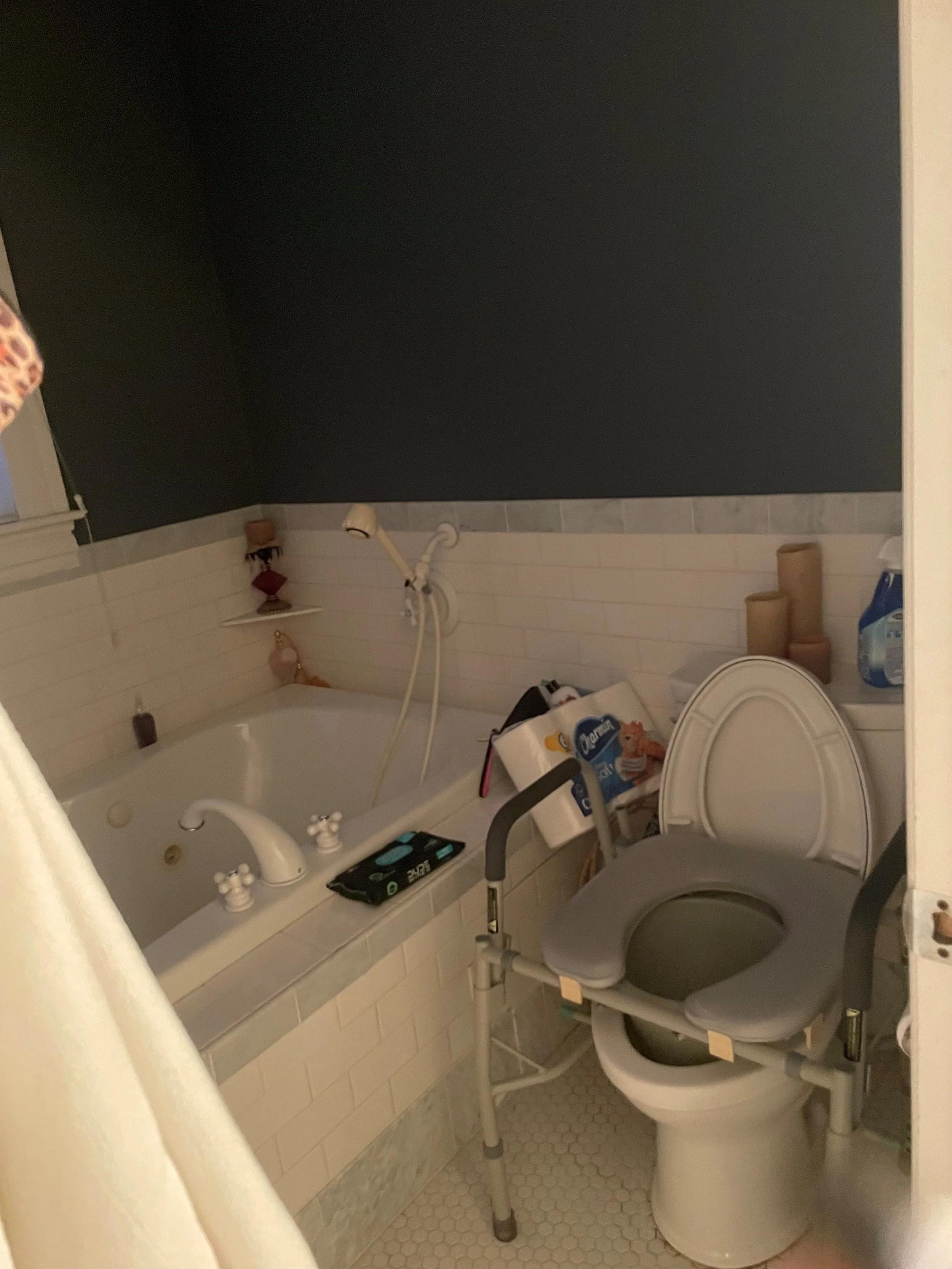
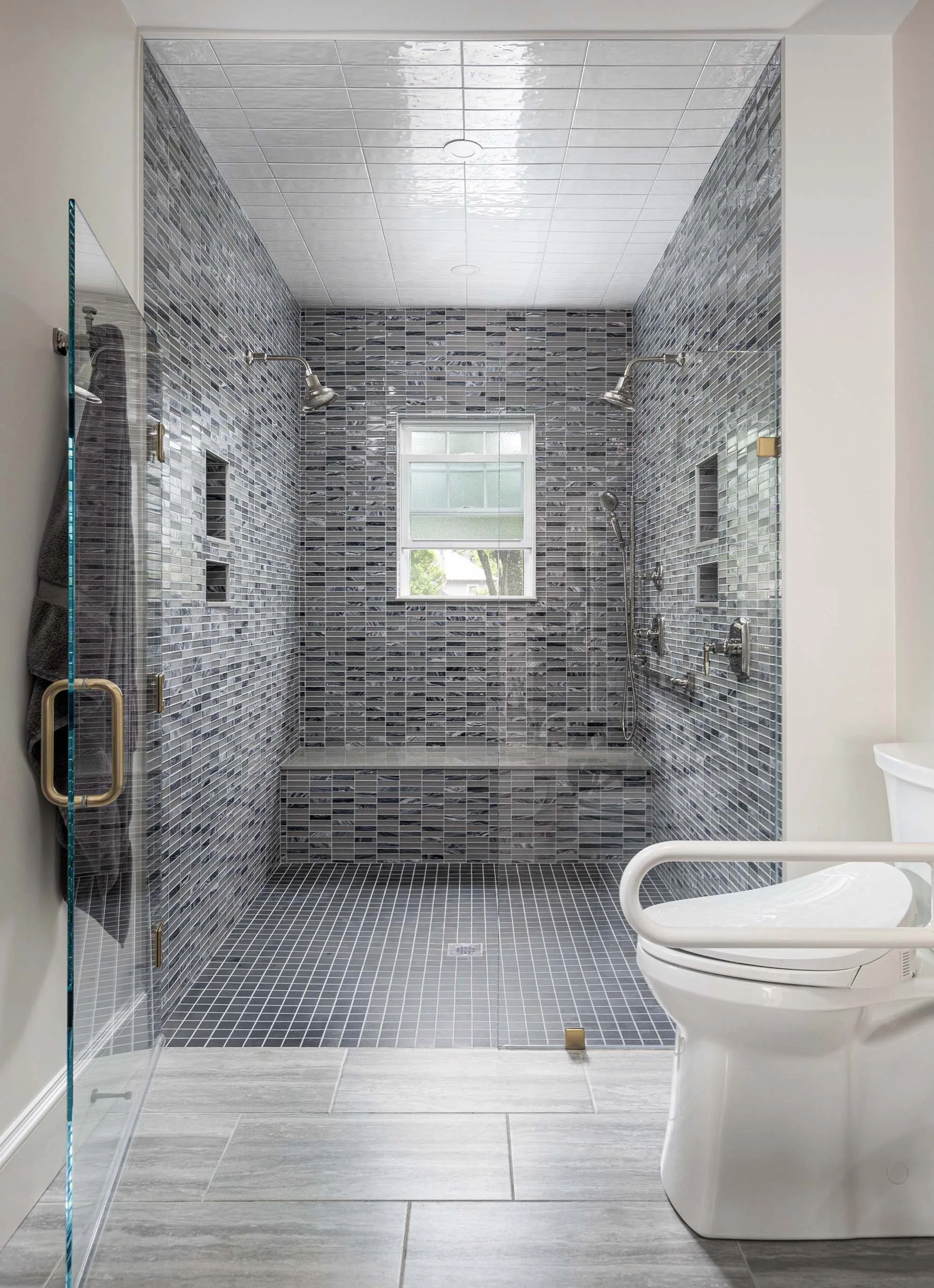
What Does a Tub to Shower Conversion Cost in the Greater Boston Area?
In the Greater Boston area, most professionally completed tub to shower conversions typically fall within the following range:
Tub to Shower Conversion: $20,000 – $30,000
The final investment depends on several factors, including:
The condition of the existing bathroom
The materials selected
Custom shower walls and shower doors
Fixtures, accessories, and design features
Whether plumbing or layout modifications are needed
Homes in Waltham, Newton, Belmont, and surrounding communities - particularly older homes - can sometimes require additional updates behind the walls, such as plumbing, electrical, or structural work, which may impact the overall cost of a bathtub to shower conversion or walk-in shower conversion project.
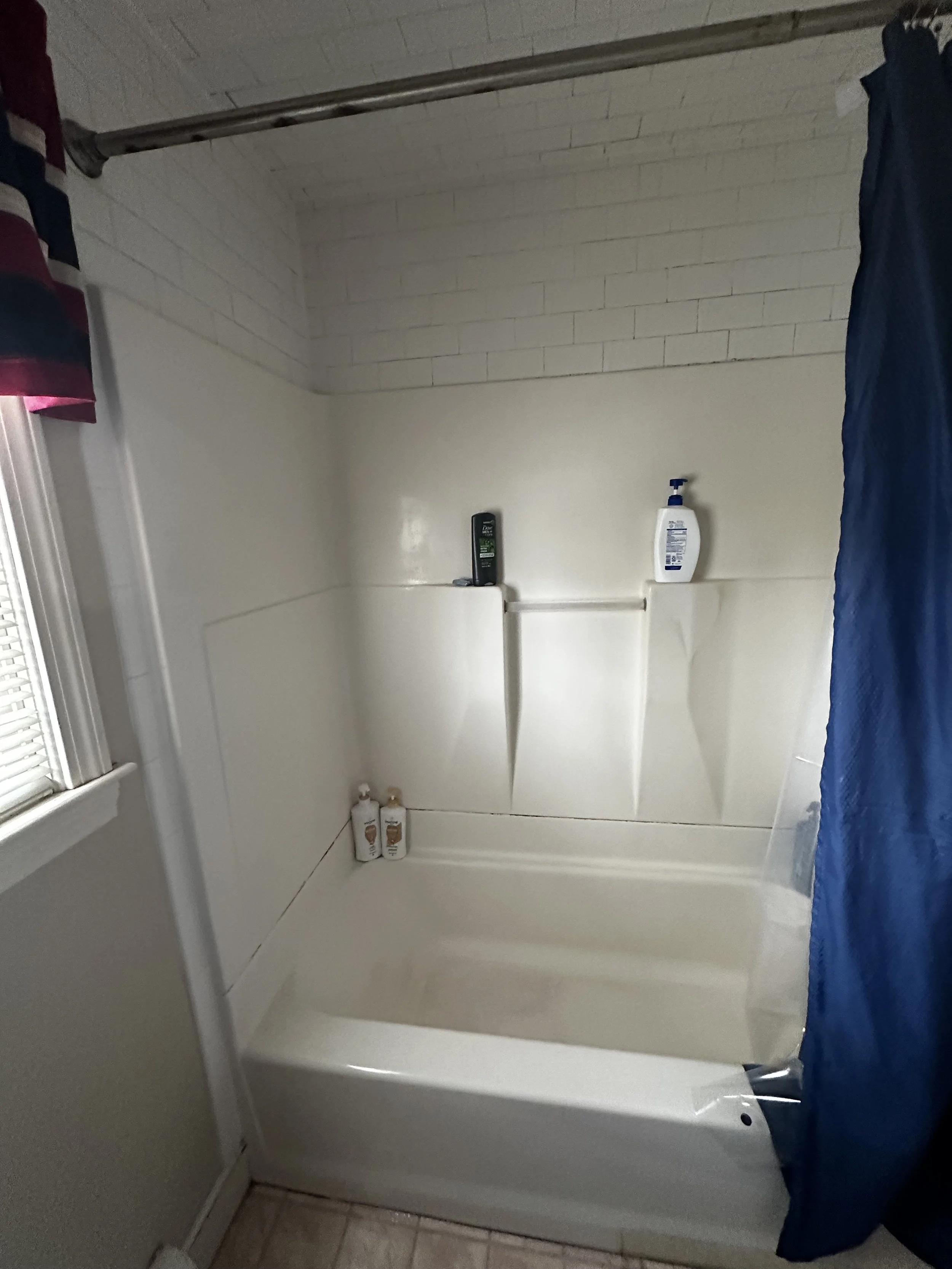
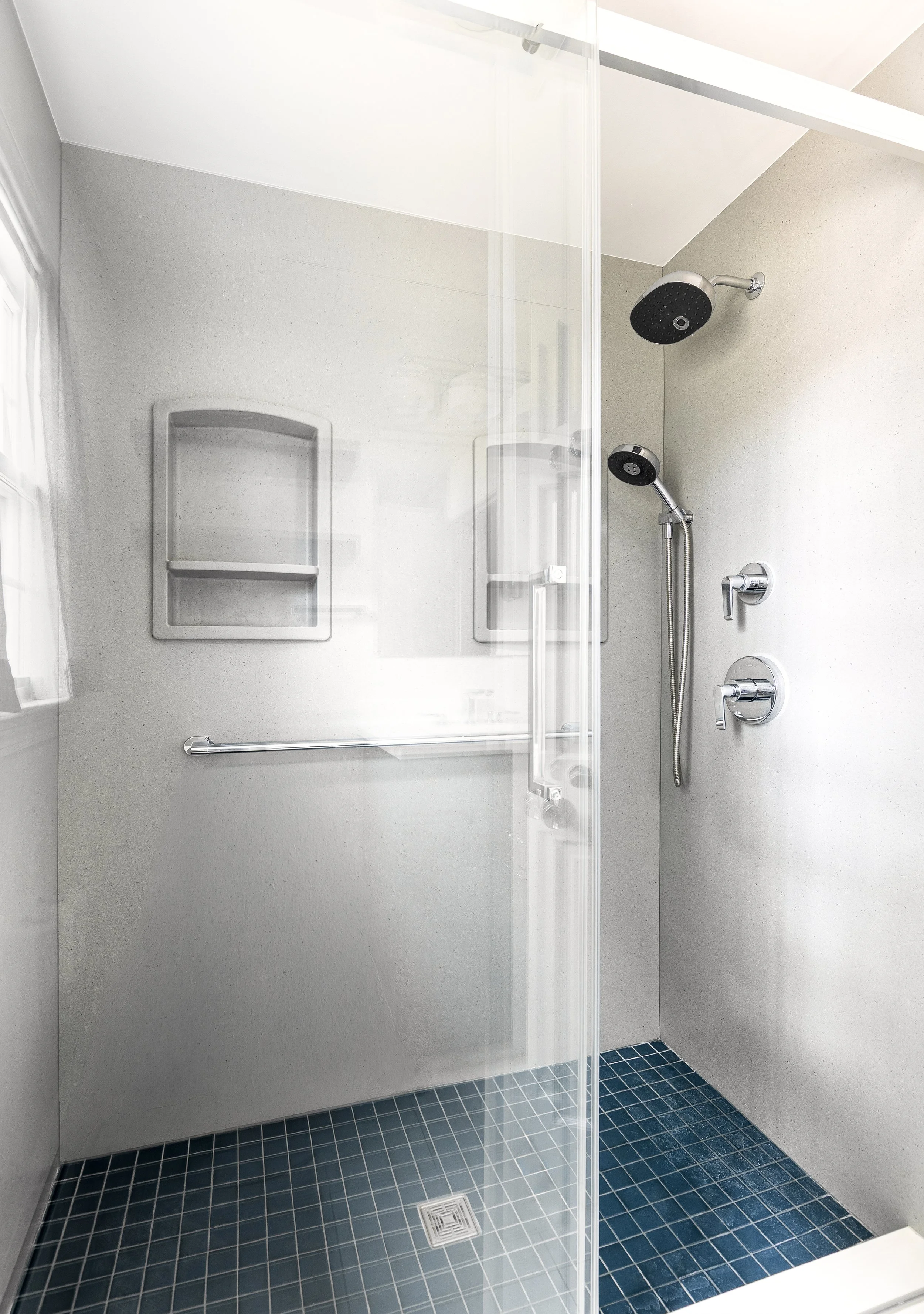
Not sure where your project might fall within this range?
👉 Tell us a bit about your space and we can help you understand what’s realistic for your goals and budget.
Is a Tub to Shower Conversion a Good Fit for Me?
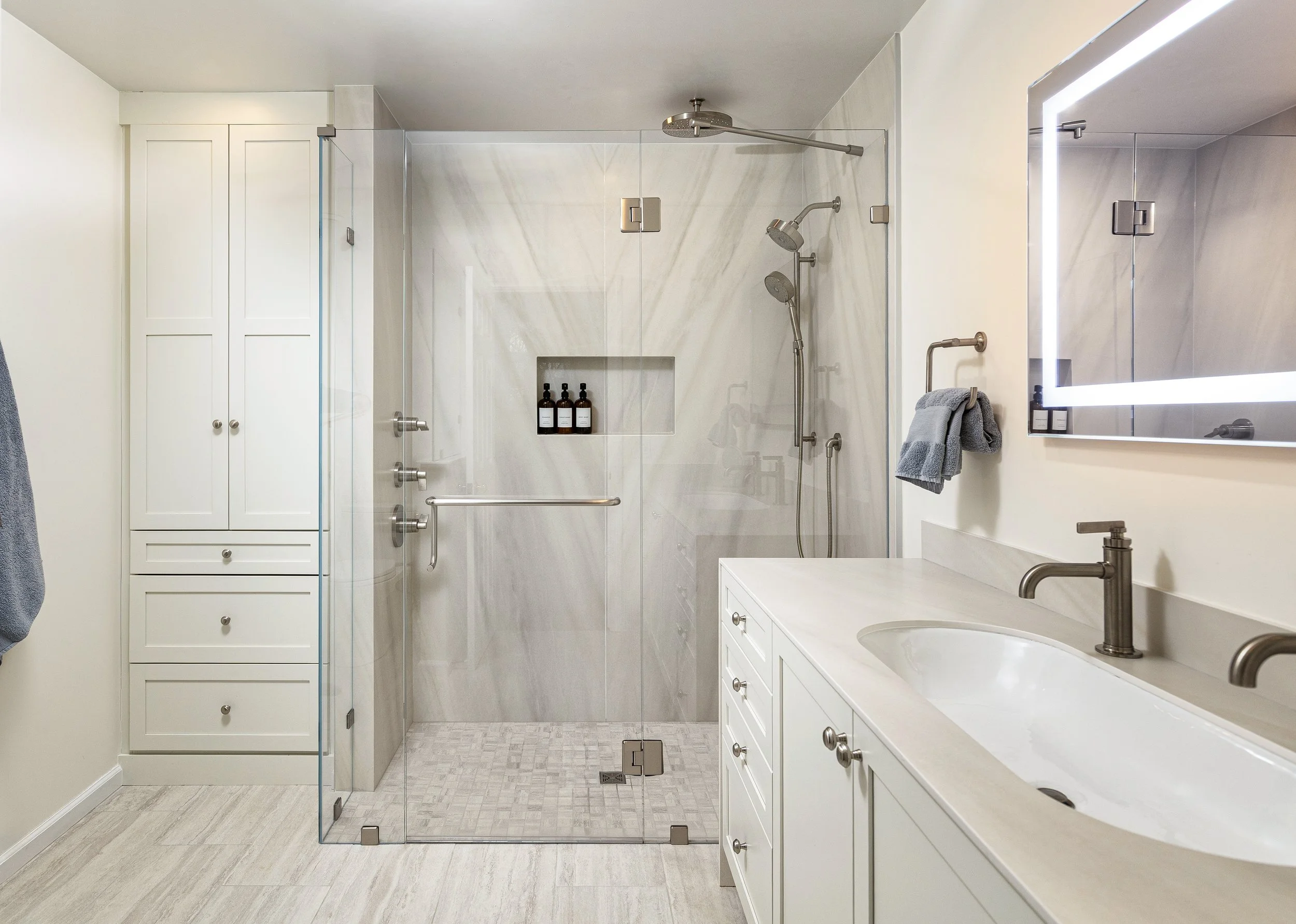
Material Options for Your New Shower
The materials you choose can have a major impact on both the appearance and overall investment of your project. Whether you're planning a tub to shower conversion, walk-in shower conversion, or complete shower upgrade, we offer several options based on your goals, style preferences, and budget.
Why Homeowners Choose a Tub to Shower Conversion
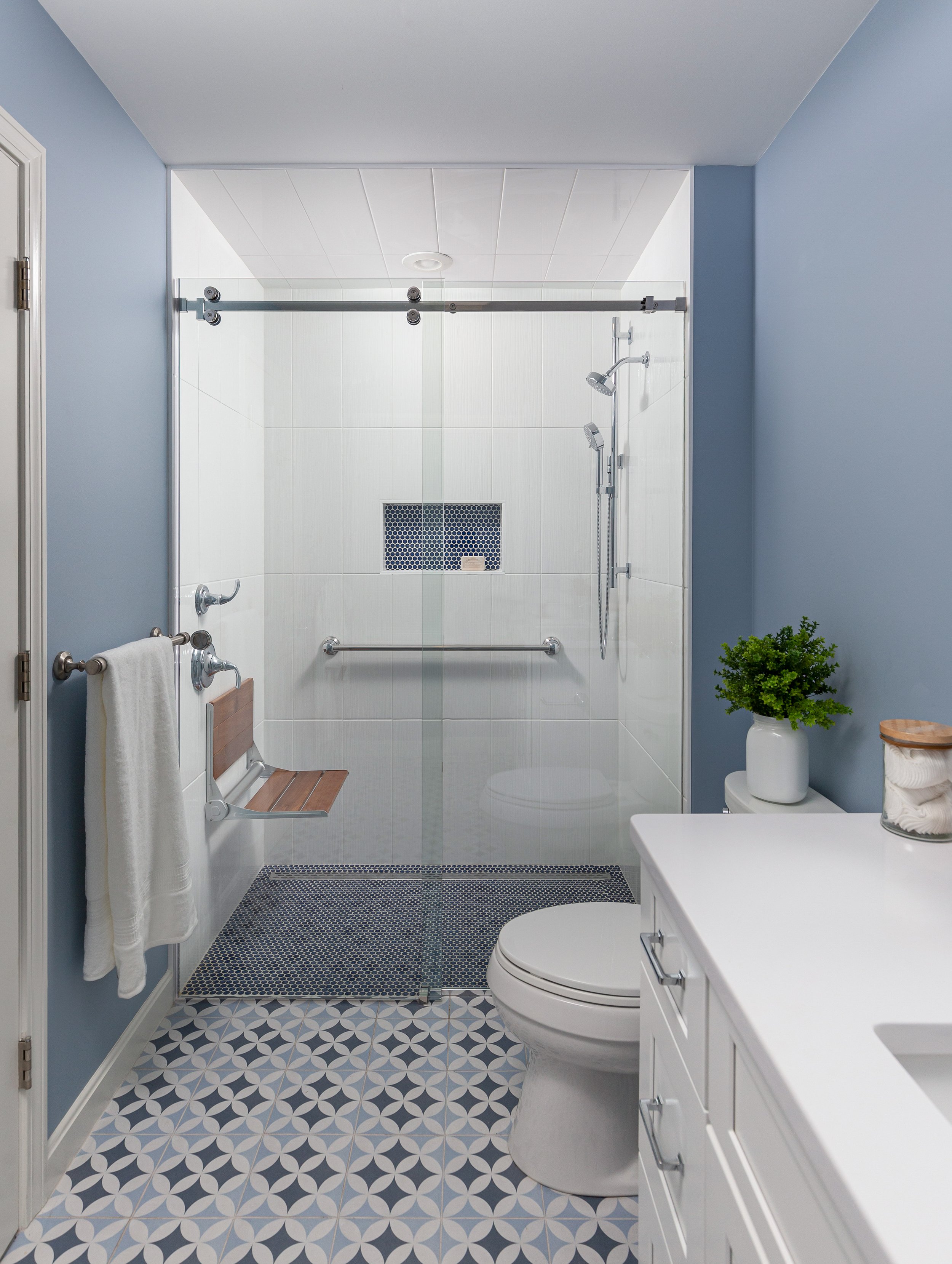
One of the biggest reasons homeowners choose a tub to shower conversion is convenience. Beyond updating the appearance of the space, many homeowners are looking for a bathroom that is easier to use, easier to maintain, and better suited to their everyday needs.
Compared to a full bathroom remodel, a bathtub to shower conversion is often:
- Faster
- Less disruptive
- Lower cost
- Easier to maintain
- Better suited for aging in place and improved accessibility
These projects are designed to improve everyday usability without requiring a complete renovation of the entire bathroom. Many homeowners also choose a walk-in shower conversion because it creates a more open feel while providing a safer and more functional showering experience.
How Long Does a Tub to Shower Conversion Take?
Most tub to shower conversions are completed in approximately: 5–7 Days
Because the project focuses primarily on the wet area of the bathroom, the process is generally shorter and less disruptive than a full bathroom remodel.
Project timelines can vary depending on:
- Material selections
- Plumbing modifications
- Custom features and upgrades
- Existing conditions behind the walls
- Permit and inspection requirements (which can vary by town)
Overall, a bathtub to shower conversion is often one of the quickest ways to dramatically improve the look, functionality, and accessibility of a bathroom.
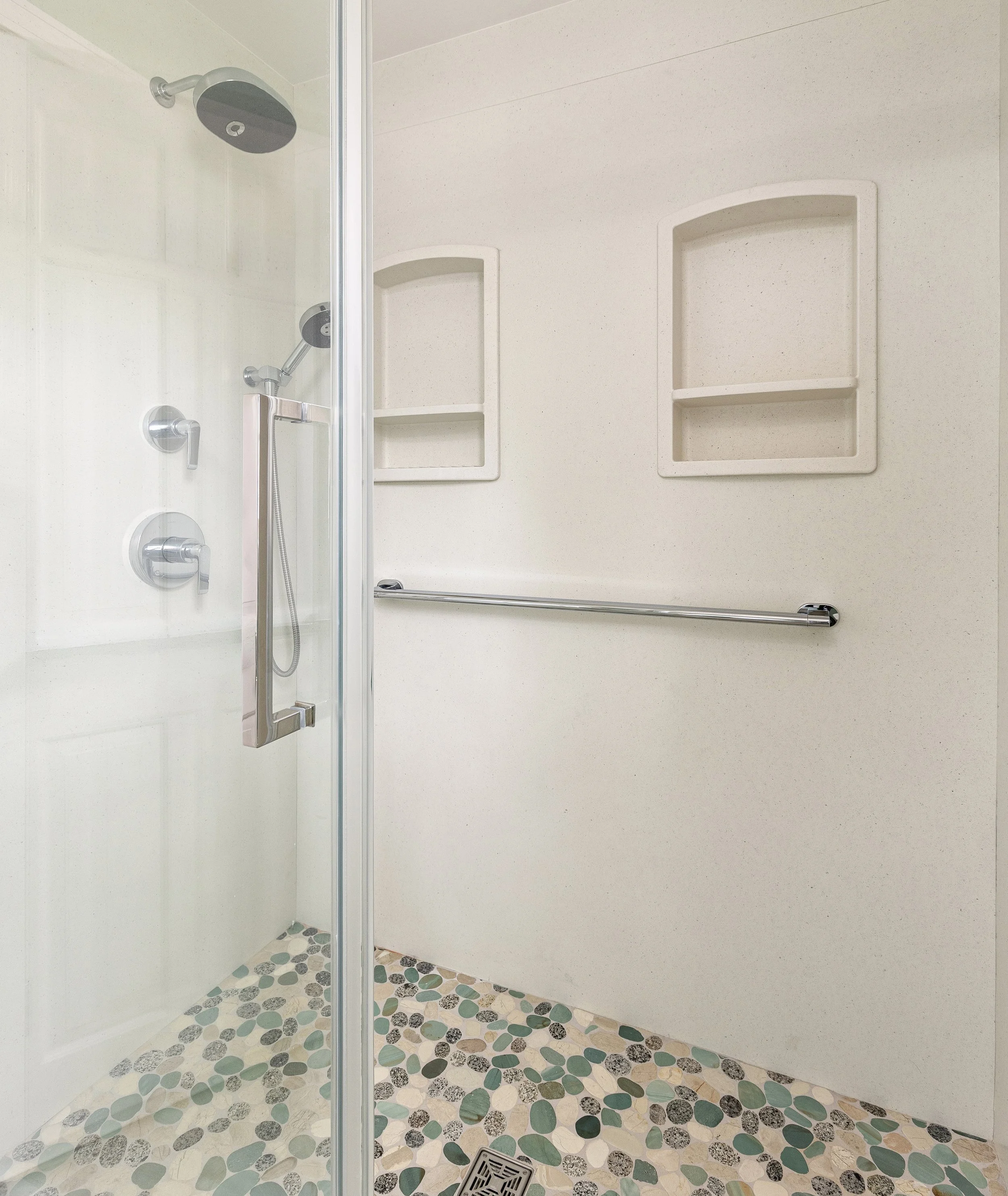
Aging in Place Benefits
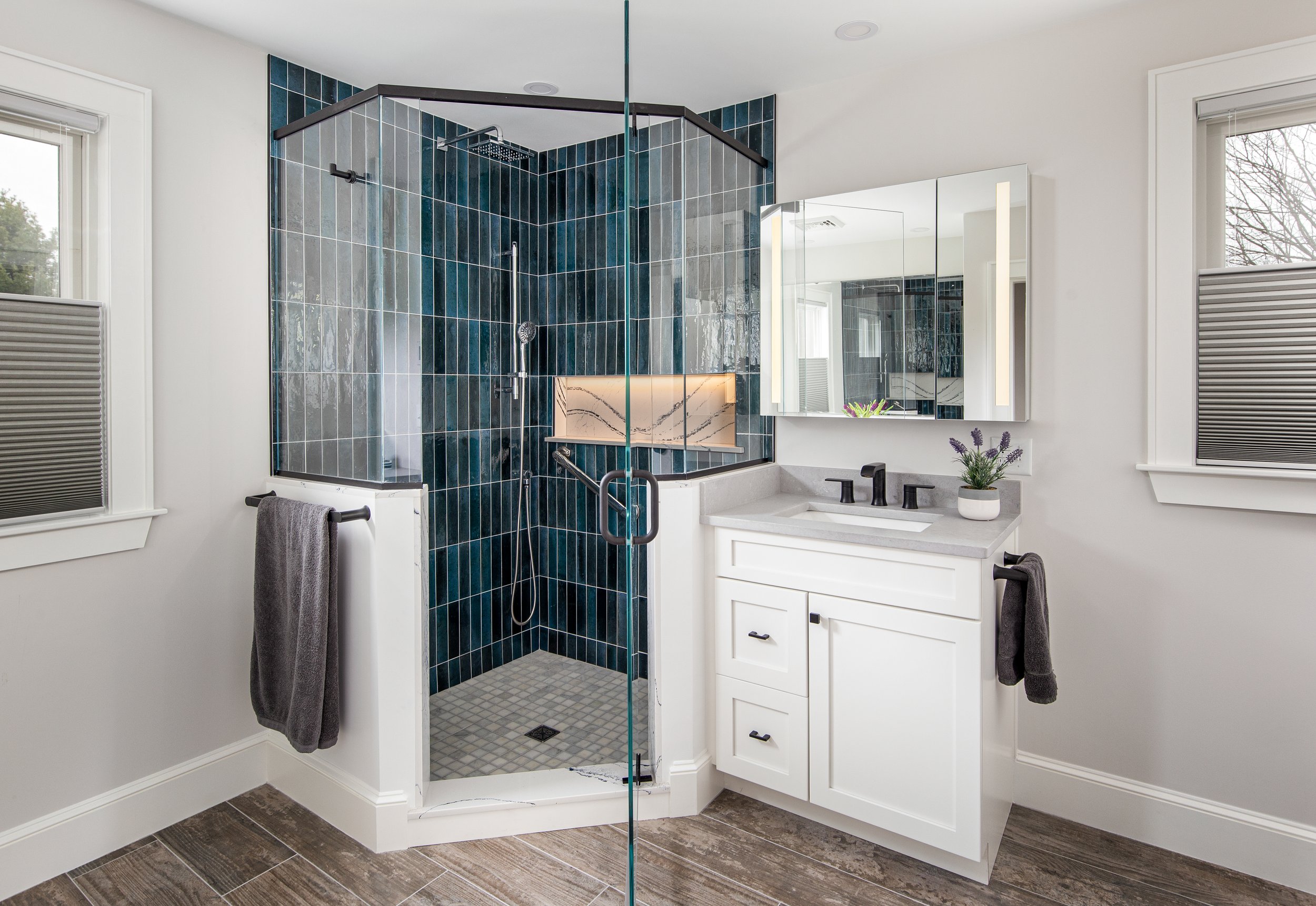
Many homeowners choose a tub to shower conversion as part of an aging-in-place plan or to create a bathroom that better supports long-term comfort and accessibility.
A walk-in shower conversion can provide:
- Easier entry and exit
- Better accessibility
- Space for grab bars or seating
- Improved long-term safety
- Greater comfort for changing mobility needs
Features like low-threshold entries, built-in benches, handheld shower heads, and slip-resistant flooring can help create a safer and more functional bathroom for years to come.
What Actually Drives the Cost of a Tub to Shower Conversion?
Even though these projects are smaller in scope than a full bathroom remodel, several factors can still impact the overall cost of a tub to shower conversion.
Material Selection
The shower wall system, shower base, and material selections you choose can significantly affect pricing and overall appearance.
- Acrylic systems tend to be more budget-friendly
- Solid surface materials typically fall into the mid-range
- Large-format porcelain systems are generally considered a more premium option
Existing Bathroom Conditions
Older homes throughout the Greater Boston area sometimes require updates behind the walls due to:
- Water damage
- Plumbing issues
- Outdated framing or insulation
- Window replacement requirements
These conditions can impact the overall project scope and final investment.
Shower Features & Accessories
Additional upgrades and custom features can impact pricing, including:
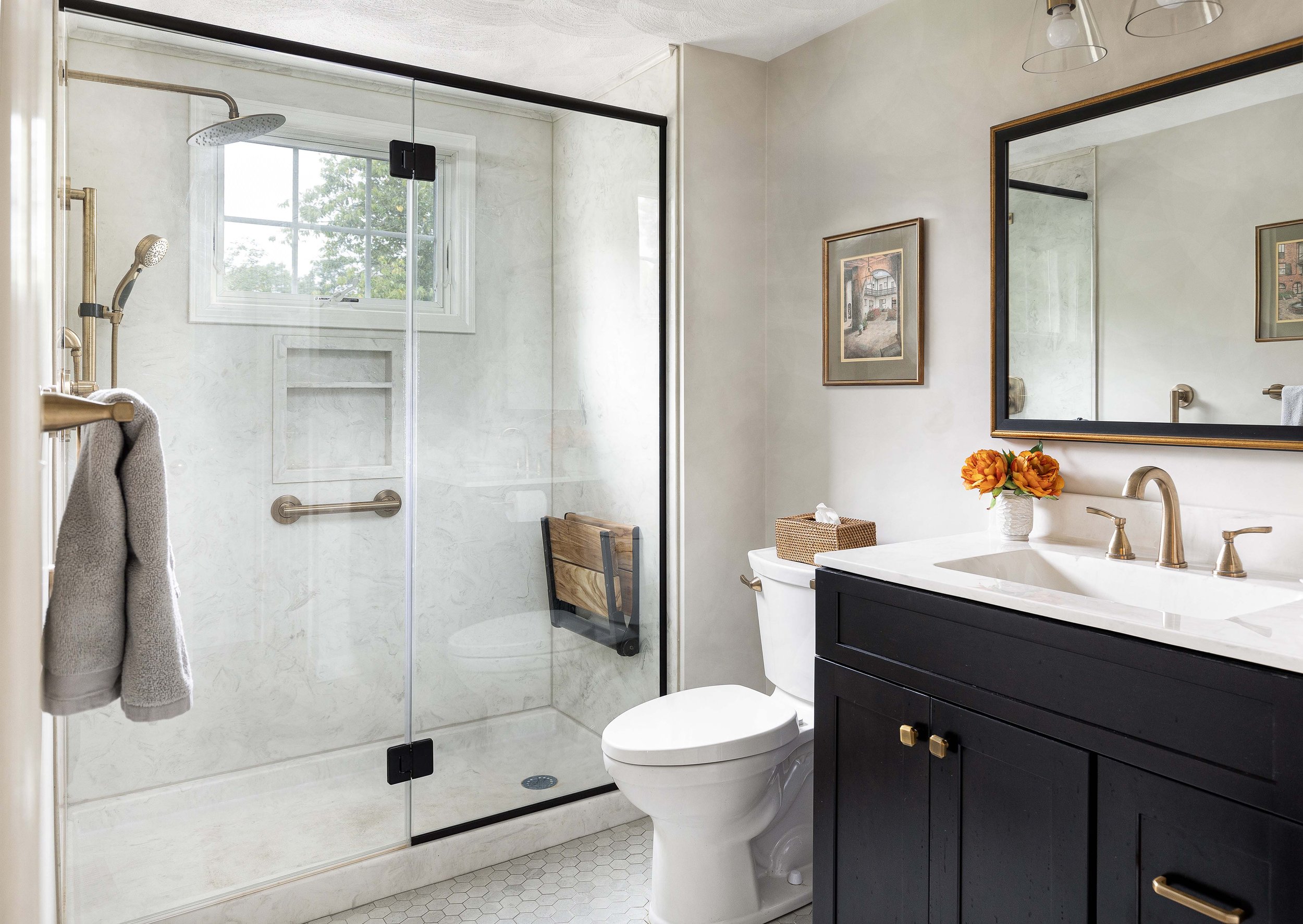
- Built-in niches
- Shower seating or benches
- Glass shower doors
- Fixtures and hardware
- Grab bars
- Handheld shower systems
Many homeowners choose some of these features to improve convenience, create a more custom appearance, or support accessibility and long-term usability.
Plumbing Adjustments
Keeping plumbing in the same location helps control costs.
Moving plumbing lines or changing fixture locations can increase labor requirements and the overall cost of a bathtub to shower conversion project.
Common Mistakes That Can Increase Costs
Avoiding these mistakes can help keep your tub to shower conversion smoother, more efficient, and on budget:
- Choosing materials based only on upfront cost
- Not planning for long-term accessibility or aging-in-place needs
- Hiring solely based on the lowest bid
- Underestimating the value of quality installation and craftsmanship
A well-planned project that considers materials, accessibility, and professional installation almost always leads to a better outcome and a more functional, long-lasting shower.
Frequently Asked Questions
-
For many homeowners, yes. It can improve functionality, modernize the bathroom, and make the space easier and safer to use daily.
-
Yes. In most cases, an existing bathtub can be removed and replaced with a walk-in shower.
-
Most projects take approximately 5–7 days, depending on the materials selected, the complexity of the installation, and inspections.
Get a Realistic Estimate for Your Tub to Shower Conversion
Every bathroom is different - but understanding your options is the first step.
Tell us a bit about your space, your goals, and your budget.
We’ll help you understand what’s realistic for your project and what your options look like.
No pressure - just honest guidance tailored to your home.
Considering a full bathroom remodel too?
Our Bathroom Remodeling Cost Guide breaks down what to expect.